By AZE.US
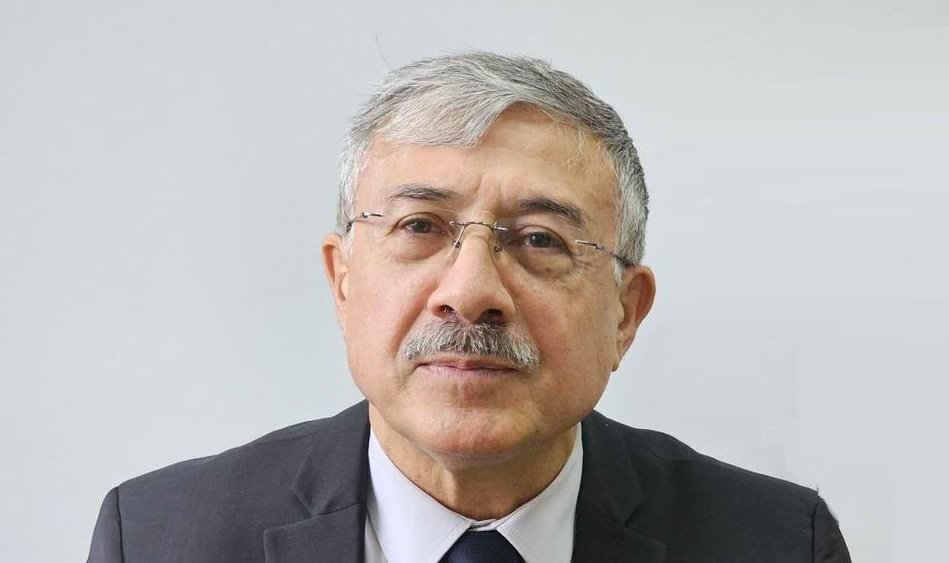
The sharp reaction in Armenia to a foreign diplomatic delegation’s visit to Karabakh shows that a serious gap remains between Yerevan’s official recognition of Azerbaijan’s territorial integrity and the views expressed by parts of Armenian society, Azerbaijani analyst Chingiz Mammadov said.
Mammadov made the comments during an interview with the YouTube channel Daily Europe Online.
The discussion followed a Sept. 11-12 visit by members of the diplomatic corps to Azerbaijan’s Karabakh and East Zangezur regions. The trip, organized to familiarize foreign diplomats with reconstruction projects, drew criticism from Armenian media outlets and social media users.
The Azerbaijani group participating in the Peace Bridge initiative subsequently expressed disappointment with the Armenian reaction. It said foreign diplomats’ presence on Azerbaijan’s sovereign territory should not be considered controversial.
Why the Reaction Alarmed Baku
Mammadov said Azerbaijan was paying attention not only to official statements from Yerevan but also to the conduct of Armenian politicians, commentators and civil-society figures involved in dialogue initiatives.
Prime Minister Nikol Pashinyan and other Armenian officials have repeatedly recognized Karabakh as part of Azerbaijan. The reaction to the diplomatic visit, however, suggested that this position remains contested within parts of Armenian society, Mammadov argued.
He said the absence of a joint statement from Armenian and Azerbaijani participants in peace-building initiatives was particularly revealing.
“If people participate in a peace process, that position comes with significant responsibility,” Mammadov said.
Participants in civil dialogue must be prepared to publicly defend the principle of mutual territorial integrity even when doing so is unpopular within their own communities, he added.
Otherwise, nongovernmental contacts risk becoming largely symbolic and failing to influence public attitudes.
The Constitutional Dispute Remains Unresolved
Armenia’s Constitution remains another source of mistrust between Baku and Yerevan.
Azerbaijan argues that the document’s preamble, which refers to Armenia’s 1990 Declaration of Independence, could be interpreted as retaining a territorial claim against Azerbaijan. Yerevan rejects that interpretation and says the Constitution contains no such claim.
Mammadov backed Baku’s position, arguing that statements recognizing Karabakh as Azerbaijani territory would not fully address Azerbaijan’s concerns unless the perceived ambiguity in Armenia’s founding documents was removed.
The Armenian government has discussed adopting a new constitution, but the process would require an extended legal procedure and public approval in a referendum. Azerbaijani officials have expressed concern that the reform could be delayed indefinitely.
The dispute is therefore both legal and political: Baku and Yerevan continue to interpret the same constitutional language differently.
Detainees and Cultural Heritage
Disagreements over Armenian detainees and former separatist officials prosecuted in Azerbaijan have further complicated the peace process.
Armenian officials and some international organizations have described certain detainees as political prisoners and called for their release. Baku rejects that characterization, saying the cases involve allegations or convictions related to war crimes and other serious offenses.
Mammadov argued that portraying all the cases as political persecution is viewed in Azerbaijan as indirect support for the former separatist administration and its policies.
The protection of Armenian cultural and religious heritage in Karabakh is another sensitive issue.
Armenian representatives have accused Azerbaijan of destroying or altering some religious and historical sites. Baku denies pursuing a systematic campaign against Armenian heritage and says historical monuments are protected by the state.
Mammadov said a distinction should be made between recognized historic monuments and structures built while the territories were under Armenian control. Disputes over the origin and identity of particular sites should be examined by historians, architects and religious scholars instead of being used as political weapons, he said.
The analyst also suggested that, following a comprehensive peace settlement, Armenian citizens could be allowed to visit religious sites located in Azerbaijan under agreed procedures.
Such an approach could move the discussion away from emotional accusations and toward practical questions, including inventories of monuments, their condition, restoration standards and access for worshippers.
Peace Needs Public Support
Mammadov said Azerbaijani attitudes toward the current debate are shaped by the country’s experience of war, displacement and decades of conflict.
At one point, approximately one in seven people in Azerbaijan was a refugee or internally displaced person, he said. Against that background, claims that Azerbaijan “occupied” Karabakh are viewed as particularly offensive in Baku.
Karabakh is internationally recognized as part of Azerbaijan, and Baku describes the restoration of its control over the region as the recovery of sovereign territory.
Mammadov said a sustainable peace could not rest solely on agreements between governments. It would also require changes in public attitudes, media language and perceptions of the neighboring state’s territorial integrity.
Civil-society participants carry a particular responsibility, he added. Those who voluntarily join peace initiatives must be prepared to explain and defend the need for reconciliation to their own communities, not simply attend private meetings.
Mammadov warned that a return to military rhetoric would endanger both countries. Following the 2020 war, Azerbaijan and Armenia have an opportunity to conclude the conflict through diplomacy, reopen transportation links and gradually establish trade.
“They should imagine that peace has ended and war has started again,” he said. “People on both sides would once again be killed.”
Ramiz Mehdiyev Case Could Affect Russia Ties
In the final part of the interview, Mammadov also addressed the case involving Ramiz Mehdiyev, the former head of Azerbaijan’s Presidential Administration.
The analyst suggested that the proceedings could affect relations between Azerbaijan and Russia if evidence emerged concerning possible contacts between Mehdiyev and Russian political figures.
Mammadov did not present evidence of Russian involvement, and his comments were political speculation rather than an established finding by investigators or a court.
Mehdiyev is entitled to the presumption of innocence unless and until a final court judgment establishes otherwise.
The interview’s central conclusion, however, concerned the Azerbaijan-Armenia peace process. Mammadov argued that the two countries have no viable alternative to peace.
Achieving it will require more than signing an agreement. Baku and Yerevan must also address a deep crisis of trust – not only between their governments but within their societies.
AZE.US