By AZE.US
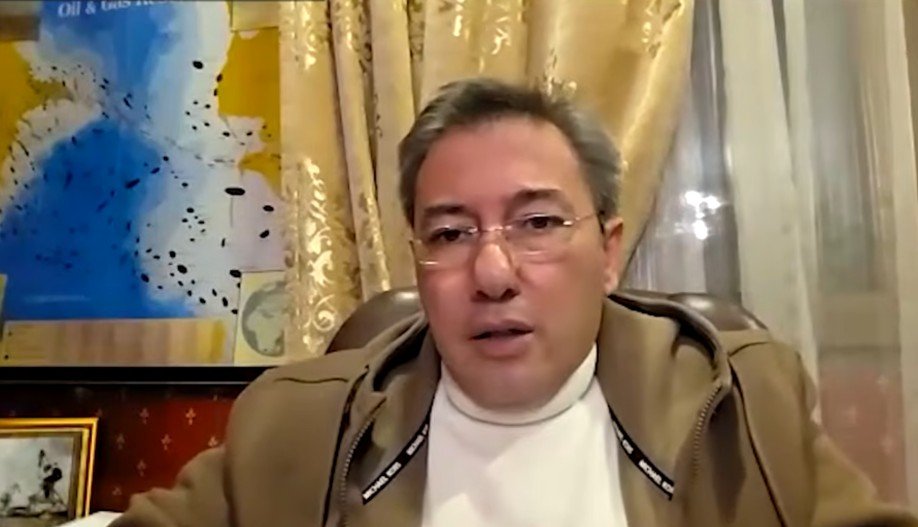
Azerbaijan should not import Turkey’s domestic political agenda into its own public life, despite the two countries’ close alliance, political analyst Ilgar Velizade said in an interview with the YouTube channel Echo Baku.
Velizade said the latest dispute surrounding school dress rules and the hijab had exposed a broader problem: some political circles in Turkey were treating developments in Azerbaijan as an extension of Turkey’s own internal political debate.
His comments came amid a public exchange prompted by criticism from Turkish politicians over the treatment of headscarved pupils and teachers in Azerbaijan. The controversy has created an unusual point of friction between two governments that describe their relationship as “one nation, two states.” The dispute and the Azerbaijani ruling party’s objections to outside interference have also been documented by El País.
Baku Defends Its Sovereignty
Velizade said Baku had drawn a clear boundary. Close relations allow allies to discuss sensitive issues, he argued, but do not give either side the right to publicly impose its preferred approach on the other.
“You can say something as a friend, say it behind closed doors and clarify the relationship there. All of that can be done,” he said, describing demonstrative public disapproval as the wrong approach.
Velizade said a country must defend the independence of its foreign and domestic policies regardless of whether pressure comes from an ally, partner or adversary.
“Sovereignty must be defended even if you are allied states, or even exceptionally close allies,” he said.
Automatically complying with demands from abroad would reinforce perceptions of Azerbaijan as a dependent actor in regional affairs, Velizade said.
Discussing Turkey’s interests in the Caspian region and Central Asia, he summarized what he considered an acceptable basis for cooperation: “Everything you need from us in this region, you will receive, but we will not become you in this region.”
Velizade stressed that his criticism was aimed at specific political groups, not Turkey as a whole. He said influential figures within Turkey’s governing party continue to support pragmatic relations with Azerbaijan and have no interest in allowing the disagreement to escalate.
Disagreement Does Not Mean a Break
Despite the sharp public exchanges, Velizade said he did not expect the episode to define the future of Azerbaijani-Turkish relations. Neither Baku nor Ankara would benefit from repeatedly returning to the dispute or organizing their broader policies around it, he said.
He predicted that Azerbaijani President Ilham Aliyev would attend an upcoming summit of the Organization of Turkic States in Istanbul, while emphasizing that this was his expectation rather than confirmed information about a presidential trip.
Velizade pointed to Azerbaijan’s role in connecting Turkey with Central Asia as a central strategic interest shared by the two countries.
“Azerbaijan is Turkey’s bridge to Central Asia,” he said.
That relationship extends far beyond one political disagreement, he said, giving Ankara a strong incentive to preserve stable cooperation with Baku.
Velizade also rejected speculation about retaliatory steps and hostile scenarios, including arguments centered on the possible opening of the Turkish-Armenian border. He said he expected regional processes to advance in coordination, although unilateral decisions could alter the established balance in bilateral relations.
Asked whether Baku was being pressured over its relations with Israel or offshore energy development near Northern Cyprus, Velizade said he had no information confirming those claims.
The original Russian-language report is available from Vesti Baku.