AZE.US
Seasonal fruit prices have risen sharply across Azerbaijani markets after weeks of heavy rain and hail damaged crops, reduced supply and delayed the arrival of local produce.
Vendors say the weather has hit orchards in several regions, leaving less fruit for sale and pushing prices higher just as demand usually starts to grow at the beginning of the summer season.
Cherries are now being sold for between 5 and 12 manats per kilogram, roughly $2.95 to $7.05. Some sellers say that in previous years prices were much lower by this point in the season, while this year high-quality cherries have become a relatively expensive purchase for many families.
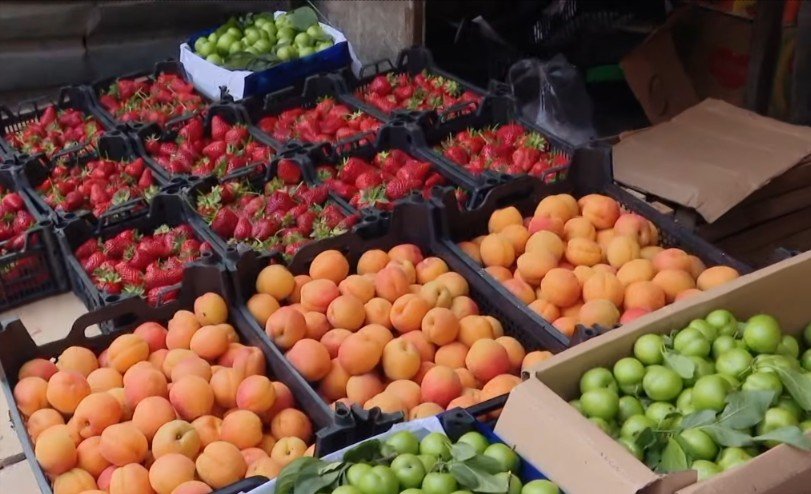
Plums and sour plums are being offered in a much wider price range, from 50 gapiks to 20 manats per kilogram, depending on variety and quality. Apricots can be found from around 2 manats per kilogram, while sour cherries are selling for about 7 manats, or roughly $4.10.
Sellers link the price jump to the shortage of local harvests. They say rain and hail damaged trees, knocked fruit to the ground and reduced the amount of marketable produce reaching stalls. Some vendors said that during rainy days prices can rise by 30 to 50 gapiks almost immediately because deliveries fall and losses increase.
Buyers, meanwhile, complain that prices are no longer affordable. Some say they are buying fruit in small portions, sometimes only 100 or 200 grams, rather than by the kilogram.
Quality has also become a concern. Shoppers say it is harder to find fresh, aromatic seasonal fruit at a reasonable price. Several buyers said that products are either expensive or lack the taste usually expected from early summer fruit.
Experts say the market is still heavily dependent on greenhouse and imported products, while the mass arrival of local field-grown produce has been delayed by weather conditions. Long periods of rain may also affect crops that are still developing. Specialists point in particular to pomegranate trees, which are now in the pollination stage and can be sensitive to heavy rainfall.
The pressure is also visible in the vegetable market. Field-grown tomatoes remain limited, and many stalls are still dominated by greenhouse tomatoes. Vendors expect more open-field tomatoes to reach markets within the next 10 to 15 days.
Despite the current price pressure, specialists expect the situation to ease as more local fruit reaches the market. They say supplies of sour plums, cherries and apricots could increase over the next two weeks, potentially bringing prices down significantly.
A broader flow of local produce is expected by mid-July. Until then, prices are likely to remain uneven, with better-quality fruit staying expensive and buyers continuing to choose carefully between price, taste and seasonality.
AZE.US