AZE.US
Azerbaijani human rights defenders have protested the nomination of Ruben Vardanyan for the 2026 Václav Havel Human Rights Prize, saying the move raises serious questions about double standards, justice and the memory of victims of the former separatist regime in Karabakh.
The appeal was signed by well-known Azerbaijani rights activists Novella Jafaroglu, Saadat Bananyarli and Saida Gojamanli. They addressed international organizations after Vardanyan was reportedly nominated for the prize by a group of rights defenders from Burundi, Sudan, Congo and Armenia.
The Václav Havel Human Rights Prize is awarded annually by the Parliamentary Assembly of the Council of Europe together with the Czech government, the Václav Havel Library and the Charter 77 Foundation. Established in 2013, the prize is associated with the values of freedom, human dignity, democracy and civic courage.
That is exactly why the nomination has triggered anger in Baku.
In the nomination letter, Vardanyan is reportedly described as a humanitarian and human rights defender. The authors also present his move to Karabakh as an act of support for his community during a difficult period and describe him as a defender of the rights of “indigenous peoples” in Nagorno-Karabakh.
For Azerbaijan, this wording is not neutral. Baku sees it as a politically loaded attempt to reframe the former illegal separatist structures in Karabakh as a human rights cause, despite the fact that Karabakh is internationally recognized as part of Azerbaijan and the former entities there were not recognized by any state.
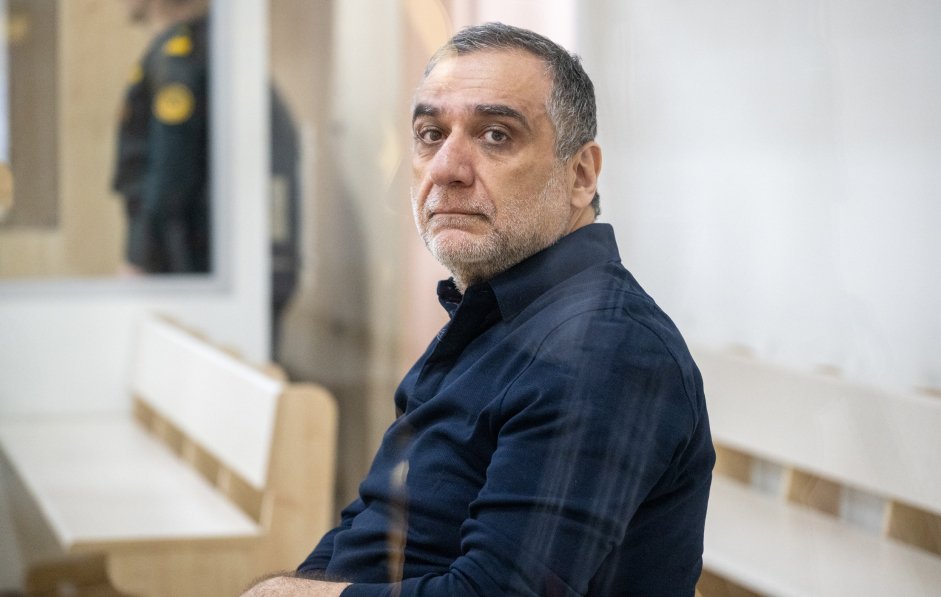
Vardanyan was sentenced in Baku to 20 years in prison on serious charges, including separatism, terrorism and financing terrorism.
Supporters of Vardanyan have tried to recast the case as political persecution, but Azerbaijani officials and rights defenders argue that this framing erases the legal and moral reality of the former separatist system in Karabakh - a system Baku links to war, occupation, displacement and violence against Azerbaijanis.
In their appeal, the Azerbaijani rights defenders said candidates for a prize carrying Havel’s name should not be judged only by public image or political lobbying. They argued that the consequences of the processes in which such figures were involved must also be taken into account.
They said Vardanyan’s name has long been associated in Azerbaijan with separatism, illegal armed activity, security threats and the financial and political support of structures operating on Azerbaijan’s internationally recognized territory.
From Baku’s point of view, the issue is not simply one man’s nomination. It is about whether international human rights platforms are prepared to hear the victims of the Karabakh conflict on both sides - including Azerbaijanis who were killed, displaced or deprived of their homes for decades.
Azerbaijani rights defenders said thousands of people lost their lives and hundreds of thousands of Azerbaijanis were forced from their homes as a result of the conflict. They argue that portraying figures associated in Baku with illegal separatism and violence as symbols of humanism is a blow to the sense of justice of those victims.
The appeal also warns that the language of human rights should not become a tool of political manipulation. In their view, human rights advocacy must protect people who suffered from terrorism, violence and separatism, not be used to rehabilitate political actors linked to those processes.
The most sensitive point is the contrast between two narratives. Vardanyan’s supporters describe him as a philanthropist and humanitarian. In Azerbaijan, he is viewed as a figure connected to the former separatist administration in Karabakh and to a system that Baku holds responsible for years of occupation, expulsions and bloodshed.
That gap is exactly why Azerbaijani activists say the nomination looks like a double standard.
They called for Vardanyan’s candidacy to be reviewed objectively and transparently, arguing that the reputation and moral weight of the Václav Havel Human Rights Prize should not be separated from the rights and dignity of the people who suffered during the Karabakh conflict.
For Baku, the question now goes beyond the prize itself. If an award named after Václav Havel is meant to honor human dignity, Azerbaijani victims of the conflict cannot be pushed outside that conversation.
AZE.US