AZE.US
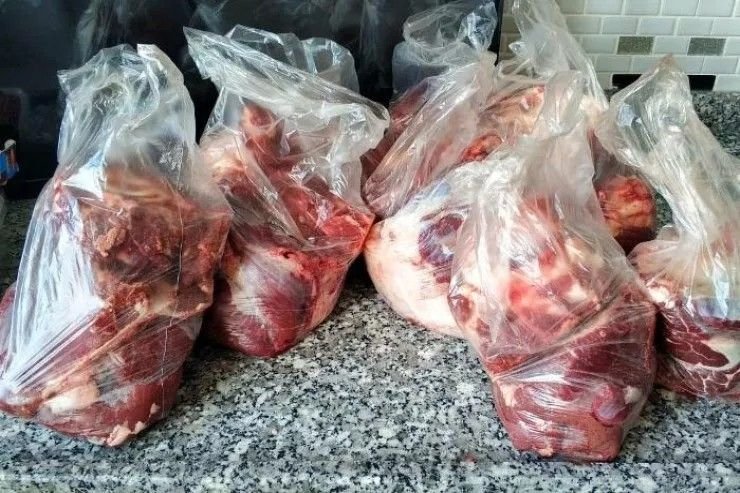
As Azerbaijan prepares for Eid al-Adha, many families are deciding how to distribute the meat from the traditional sacrifice. It is common to share it with relatives, neighbors, friends and low-income families.
But the same question comes up every year: are there people who should not receive the meat?
Haji Fuad Nurullayev, deputy chairman of the Caucasus Muslim Board and a theologian, told Lent.az that there is no specific religious ruling that bans giving the meat to any particular person or group.
According to him, the meat is traditionally divided into three parts. One part is kept for the family of the person who performs the sacrifice. A second part is given to relatives in need. The remaining portion may be distributed among neighbors, acquaintances and others.
Nurullayev said the person offering the sacrifice may decide who receives a share. Religion, sect, ethnicity or race should not be used as a reason to exclude anyone.
He also noted that animal sacrifice is considered obligatory only for Muslims performing the Hajj pilgrimage in Mecca. For others, it is not mandatory, but it is regarded as a charitable and spiritually rewarding act.
Still, he said the purpose of the tradition is to help those who need support most. That includes elderly people, people living alone, low-income families, the poor and others in difficult social circumstances.
In practice, Nurullayev said, people usually do not give sacrificial meat to someone who already has meat at home, lives comfortably and has no material need.
The guidance places the emphasis not on a formal ban, but on the social meaning of Eid al-Adha: sharing food with people for whom it can make a real difference.
AZE.US