AZE.US
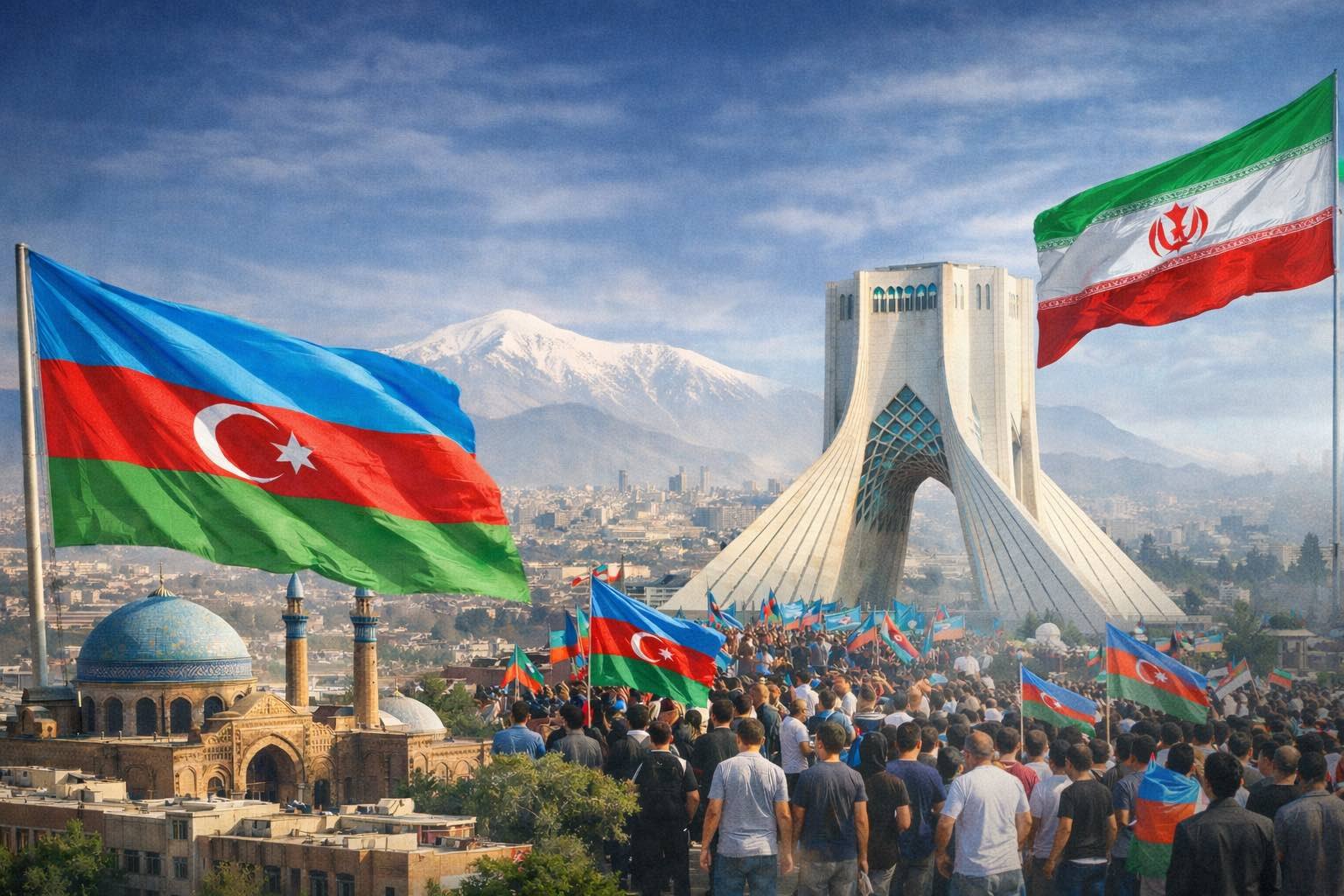
Speculation about the possible unification of Azerbaijani-populated regions in northern Iran with the Republic of Azerbaijan oversimplifies a far more complex political and historical reality, Russian political analyst Sergey Markedonov said.
Speaking on the YouTube channel Echo Baku, Markedonov addressed recurring discussions about the so-called “South Azerbaijan” issue, which frequently resurfaces during periods of tension between Tehran and Baku.
According to the analyst, several Iranian provinces – including East Azerbaijan, West Azerbaijan and Ardabil – are populated largely by ethnic Azerbaijanis.
—–
You May Like
Iran’s Drone Strike On Nakhchivan: What Message Was Tehran Sending?
—–
However, he emphasized that the political identities of Azerbaijani communities in Iran have developed differently from those in the Republic of Azerbaijan.
“For more than a century these communities lived in different political systems,” said Markedonov, a senior researcher at MGIMO University and editor-in-chief of the journal International Analytics.
While the territory that is now the Republic of Azerbaijan was part of the Russian Empire and later the Soviet Union, Azerbaijani communities in Iran developed within the political framework of the Iranian state.
As a result, levels of religious influence, political loyalty and social identity differ significantly, he said.
The analyst also noted that ethnic Azerbaijanis are deeply integrated into Iranian political life.
Several prominent figures in Iran’s leadership have Azerbaijani roots, including Supreme Leader Ali Khamenei and Iranian President Masoud Pezeshkian.
“In Iran there are millions of Azerbaijanis who consider themselves both Azerbaijani and Iranian,” Markedonov said.
He also pointed to demographic realities.
Estimates suggest that between 15 and 30 million ethnic Azerbaijanis live in Iran – significantly more than the population of the Republic of Azerbaijan itself.
“This already raises a fundamental political question: who would integrate whom in such a scenario?” he said.
Markedonov added that geopolitical speculation about territorial changes often ignores the positions of major regional and global powers.
He noted that historical attempts to create a separate Azerbaijani political entity in northern Iran occurred during the early Cold War period in 1945-1946, when the Soviet-backed Azerbaijan People’s Government briefly existed in the region.
However, the project collapsed after the Soviet Union withdrew under international pressure.
“For that reason, the idea that political change in Iran would automatically lead to territorial transformation is highly questionable,” Markedonov said.
According to him, discussions about “South Azerbaijan” often emerge during geopolitical crises but rarely take into account the complex social and political realities inside Iran.