AZE.US
Azerbaijan produces only one or two animated films a year, leaving younger generations with little exposure to national animation, folklore and traditional characters.
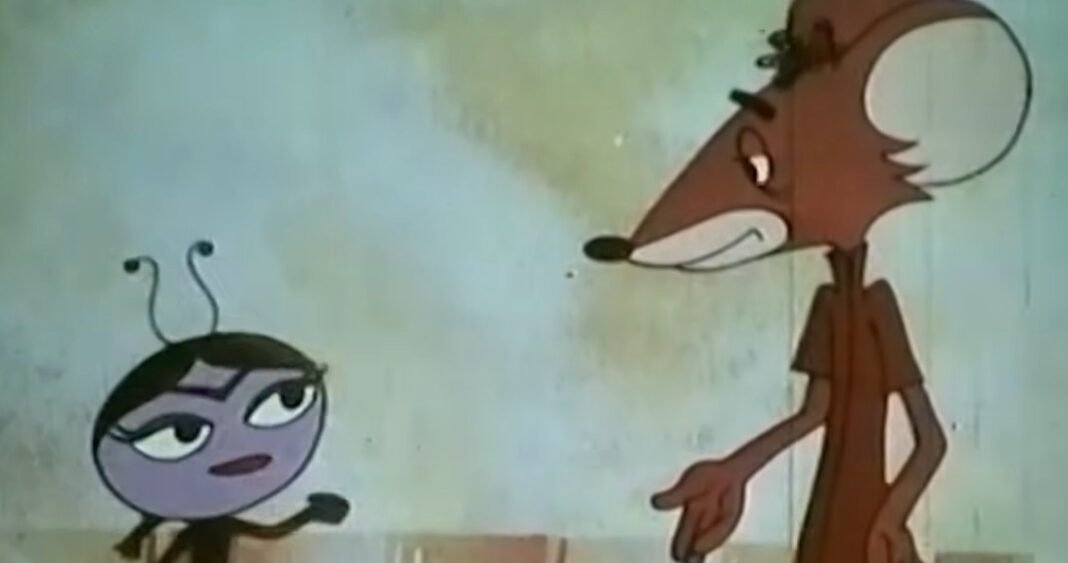
Well-known Azerbaijani animator Elchin Akhundov said children once grew up watching local classics such as Jirtdan, Tik-Tik Khanum and A Man Comes to the Forest. Today, however, the volume of domestically produced animation is extremely limited.
“We make only one or two films a year. That is far too little,” Akhundov said. “Children therefore watch Russian and English-language cartoons, as well as Turkish translations. We are unable to pass on our national traditions and folklore.”
Experts note that cartoons are not merely a form of entertainment. Content viewed at an early age can influence a child’s speech, worldview, behavior and emotional development.
Psychologists warn that cartoons featuring rapidly changing scenes, constant movement and little dialogue may negatively affect attention and speech development. In some cases, children imitate sounds or aggressive actions without processing meaningful language.
Long periods spent in front of screens can also affect children’s social skills. Specialists say children under the age of three need direct interaction with parents and other people more than they need television, tablets or smartphones.
Parents often place children in front of screens so they can complete household tasks, experts said. However, children also need time to become bored, invent their own games, move around and communicate with their peers.
“We do not need homes that look like furniture showrooms,” one specialist said. “We need to raise healthy children who can think independently and find solutions to problems.”
Parents are advised to choose high-quality, age-appropriate content, limit screen time and place greater emphasis on family interaction. Experts say live communication within the family, rather than cartoons, plays the central role in developing speech, attention and social skills.
AZE.US