AZE.US
Azerbaijan is again discussing whether people who work a second job should receive separate tax benefits.
The idea is not new. If additional work becomes easier to declare and less costly to formalize, more people may choose legal employment instead of remaining in the shadow economy.
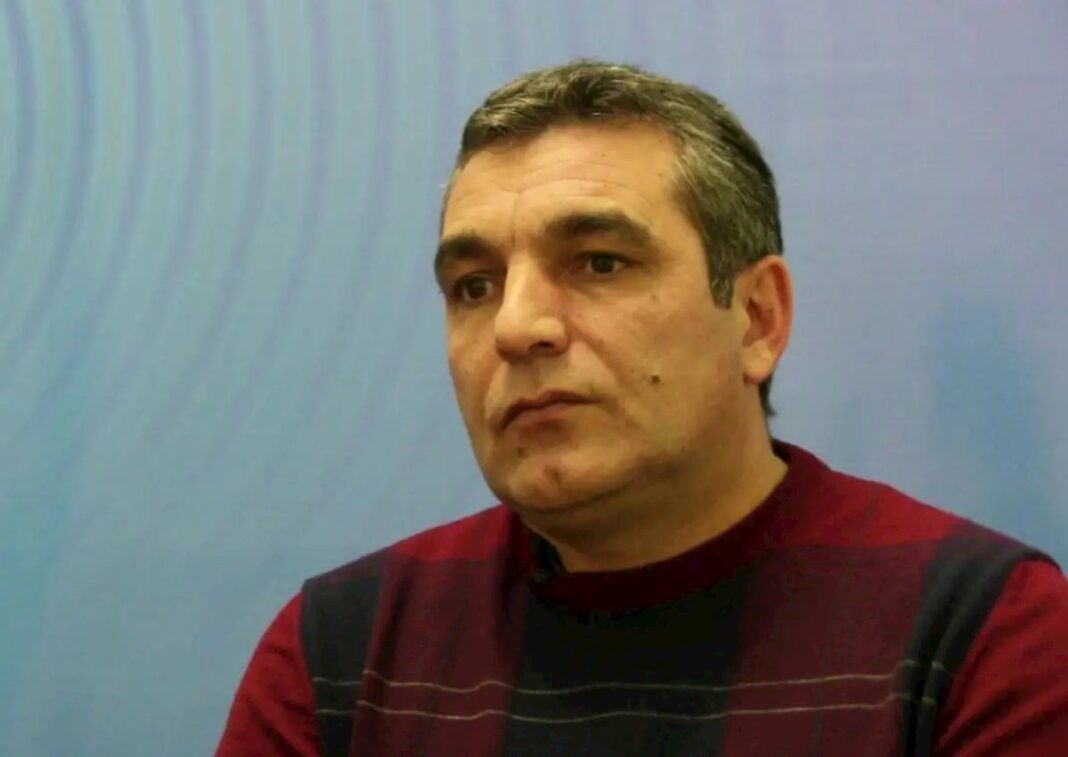
But economist and REAL Party chairman Natig Jafarli says the issue should not be limited to second jobs. In comments to Modern.az, he said Azerbaijan needs a broader reform based on a unified income declaration system.
According to Jafarli, it should not matter whether a person works in one place or five.
“It does not matter whether a person works in five places or one. Once a year, or once a quarter, they should file an income declaration. Every adult living in Azerbaijan should submit an income declaration,” Jafarli said.
He argued that the tax system should be based on a person’s total income, rather than on complicated exemptions tied to specific types of employment.
Instead of creating separate mechanisms that require additional reporting and special benefits, Jafarli said it would be more practical to require a general income declaration once a year or once a quarter. That would give the state a clearer picture of actual earnings and allow taxes to be applied more fairly.
The economist said many countries exempt low-income earners from income tax altogether. He said Azerbaijan could introduce a gradual tax scale based on income levels.
“For example, those earning less than 1,000 manats per quarter should not pay tax at all. Those earning between 1,000 and 5,000 manats could pay 2%, while higher earners could pay different rates,” Jafarli said.
Under that model, the proposed tax-free threshold would cover quarterly income below 1,000 manats, or roughly $590. The next bracket, from 1,000 to 5,000 manats, would cover income of about $590 to $2,940.
Jafarli said such a system would be more convenient for both citizens and the state.
“This approach is very important for accountability and for a fair tax system. It would also create a more convenient and transparent mechanism for the state,” he said.
The debate matters because second jobs and side income have become a reality for many households, not a luxury. For many citizens, extra work is a way to cover rent, loans, utility bills, food prices and other daily expenses.
That is why the question is not only technical. It is also about fairness.
If people with low income face the same rigid tax logic as those with higher earnings, the system may look less like a tool for public finance and more like a penalty for trying to earn a little more.
A unified declaration system could also help reduce informal employment, Jafarli argues. The simpler and fairer the rules are, the less incentive people have to hide income or accept unofficial payments.
For Azerbaijan, the real question is larger than whether a person should receive a tax benefit for a second job.
It is whether the tax system should treat citizens as lines in a report or as people with real income, real expenses and real pressure on their household budgets.
AZE.US