By AZE.US
The international system is entering a prolonged period of uncertainty as major powers postpone strategic decisions while awaiting elections in the United States, Israel and Europe.
Under these conditions, Azerbaijan must preserve its foreign policy balance, strengthen its sovereignty and avoid becoming part of rival geopolitical blocs.
Farhad Mammadov, chairman of the Center for South Caucasus Studies, offered this assessment, Vesti Baku reports.
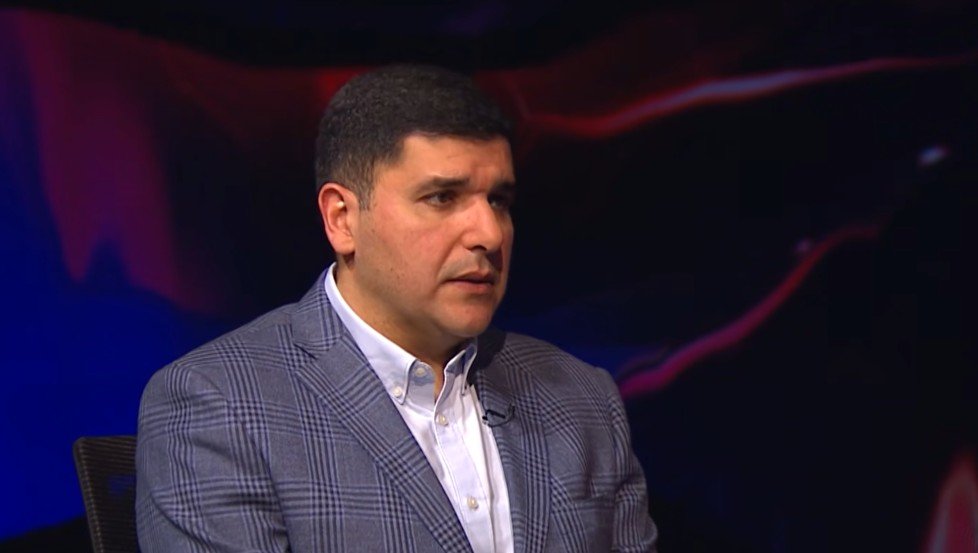
According to the analyst, a new situation may emerge by the end of 2026 across nearly every foreign policy issue affecting the South Caucasus. For now, however, global developments are deepening uncertainty and pushing prospects for conflict resolution further into the future.
Mammadov described the U.S. midterm elections as one of the year’s most consequential political events. Their outcome will indicate whether President Donald Trump can maintain his current level of activity on the international stage.
If Republicans lose control of one or both chambers of Congress, the White House could face significant political constraints and a new period of domestic confrontation.
U.S. Elections Could Affect the Russia-Ukraine War
Political uncertainty in Washington is also influencing the Russia-Ukraine war, Mammadov argued.
Both Moscow and Kyiv may avoid decisive political moves until the outcome of the U.S. elections becomes clear. At the same time, he expects the fighting to intensify, with both sides seeking to improve their positions before any new diplomatic phase begins.
Iran is also likely to keep the Middle East and its neighboring regions under pressure while awaiting elections in the United States and Israel. From Tehran’s perspective, the analyst said, reaching long-term agreements with administrations whose political futures remain uncertain may be considered premature.
A planned summit between the leaders of the United States and China could become another important event. Nevertheless, Beijing is also unlikely to rush into major decisions before seeing the results of the U.S. vote.
Europe Faces Political Transformation
Another source of instability is the growing strength of right-wing and far-right parties in Europe.
Rising support for Alternative for Germany and Marine Le Pen’s political movement in France points to a broader transformation within the European Union’s two leading powers.
Mammadov said the political establishments in Germany and France still have time to reassess their policies and respond to voter dissatisfaction. Their reluctance to acknowledge previous mistakes, however, could push both countries toward a deeper internal crisis.
Political uncertainty in Europe may also affect support for Ukraine, sanctions policy and decision-making in other areas of global and regional confrontation.
Major Powers Are Waiting and Raising the Stakes
Signs of possible instability in the United States, Europe and Israel create favorable conditions for China, Russia and Iran to delay major decisions while continuing to raise the stakes, according to Mammadov.
He argued that Washington, Beijing and Moscow are unlikely to agree among themselves on a comprehensive new international order. Their interests diverge across too many issues, while no single power has emerged as an undisputed victor capable of imposing new rules on the rest of the world.
Large parts of the international community also remain outside direct military confrontation. Many small and medium-sized countries are attempting to preserve room for maneuver instead of joining rigid geopolitical blocs.
Azerbaijan’s Main Strategic Challenge
Azerbaijan is among the states pursuing such a policy. However, it is surrounded by major regional powers involved in wars and geopolitical conflicts. Despite losing considerable resources, those countries remain influential actors in the South Caucasus.
Mammadov said Baku has developed close relations with its neighbors and other small and medium-sized states while maintaining a careful balance with the world’s principal centers of power.
Azerbaijan’s central task during this period of uncertainty is to avoid being drawn into competing coalitions, preserve its balanced foreign policy and continue strengthening national sovereignty.
The country’s security and future development may depend on how successfully it manages that challenge.
AZE.US