AZE.US
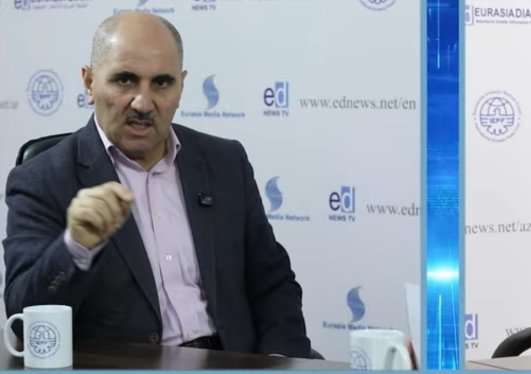
Iran’s political decisions and confrontational rhetoric have played a major role in escalating tensions that eventually led to the current conflict, according to Baku-based political commentator Azer Hasrаt.
Speaking about the unfolding crisis, Hasrat said Tehran’s actions over recent years have significantly increased the risk of a broader regional confrontation.
According to him, Iran lacks the military and economic capacity for a direct confrontation with powers such as the United States or Israel, yet continues to pursue policies that expand the scope of the conflict.
“Instead of reducing tensions, Iran has expanded the geography of the confrontation,” Hasrаt said.
The analyst noted that missile and drone attacks targeting locations in the Gulf region have further destabilized the situation and alarmed neighboring countries.
He also pointed to missed diplomatic opportunities. According to Hasrat, Tehran had several chances to engage in negotiations but chose not to pursue them.
“There were opportunities for talks, including possible mediation platforms. But Iran declined them,” he said.
At the same time, the analyst highlighted Azerbaijan’s diplomatic approach, describing it as cautious and balanced.
“Azerbaijan’s foreign policy has been characterized by restraint and pragmatism,” Hasrat said, noting that President Ilham Aliyev has consistently emphasized stability and avoided inflammatory rhetoric on international platforms.
According to the Baku-based commentator, the future course of the conflict will depend largely on whether Iran changes its approach and moves toward negotiations with the international community.
“If Tehran chooses diplomacy and dialogue, the situation could stabilize. Otherwise, tensions in the region are likely to persist,” he said.